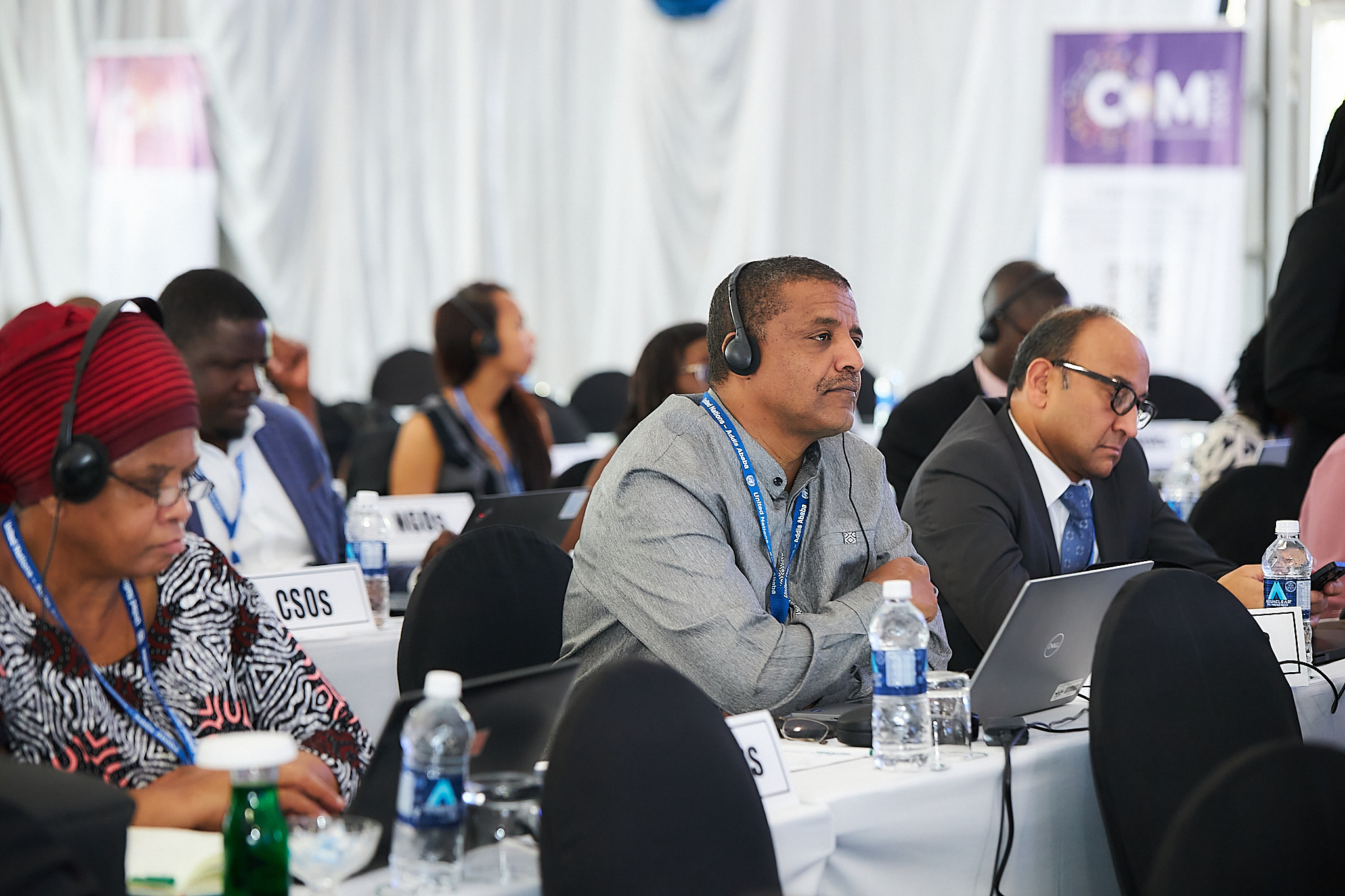
When planning an event, whether it’s a corporate conference, a product launch, or a gala dinner, the
budget serves as the cornerstone of your planning process. Every decision—from venue selection to
the matic design—unfolds against the backdrop of financial constraints. Understanding the intricacies
of budgeting in event management is crucial, especially in environments like Zimbabwe, where costs
can vary significantly.
The Importance of Consultations
Before even thinking about figures, it’s essential to consult with professional event planners or
professional conference organizers (PCOs). Many corporate clients lack a comprehensive
understanding of the various costs involved in organizing a successful event. A consultation can
provide insights into what constitutes a reasonable budget, considering factors like venue size, guest
count, and desired amenities
Cost Breakdown
In Zimbabwe, event theming, decor, and tent infrastructure hire can comprise a substantial portion of
your budget. Here’s a general breakdown of common costs:
– Event Theming: This includes the overall aesthetic and atmosphere of the event. Depending on the
complexity, this can range from basic decor to elaborate setups that align with specific themes.
– Decor: Flowers, lighting, furniture rentals, and other decorative elements can vary widely in price.
Investing in quality decor can enhance the guest experience and elevate the event’s overall
impression.
– Tent Infrastructure: For outdoor events, tents are essential. The costs can vary based on size, style,
and the rental company. It’s vital to consider not just the rental fee but also setup, takedown, and any
additional equipment needed.
Understanding ‘Budget-Friendly’
What does “budget-friendly” mean in the context of high-level corporate events? It’s not just about
spending less; it’s about maximizing value. A well-planned event should offer a return on investment
(ROI) that justifies the costs incurred. This ROI can manifest in various ways:
– Brand Exposure: An effectively managed event can generate publicity that lasts long after the final
guest has left. This exposure can translate into increased brand awareness and customer engagement.
– Networking Opportunities: Events often serve as platforms for networking, which can lead to future
collaborations, partnerships, and business growth.
– Long-Term Relationships: Building relationships with attendees can create loyalty and trust, leading
to repeat business and referrals.
Measuring Value Beyond the Event
When evaluating the success of an event, it’s important to consider metrics that extend beyond the
event’s duration. The impact of an event can resonate for years, especially in terms of media coverage
and social media engagement. To measure the true value of your investment:
– Post-Event Surveys: Gather feedback from attendees to assess their satisfaction and overall
experience.
– Media Coverage: Track mentions in the press and on social media to gauge the event’s reach and
impact.
– Follow-Up Engagement: Monitor how many attendees engage with your brand in the months
following the event.
Conclusion
Budget considerations are vital in event management, but they should not be viewed in isolation. A well-thought-out budget, developed in consultation with professionals, can lead to an event that not
only meets financial expectations but also delivers lasting value. When planning your next corporate
event, remember that it’s not just about the immediate costs—it’s about investing in an experience
that pays dividends for years to come.